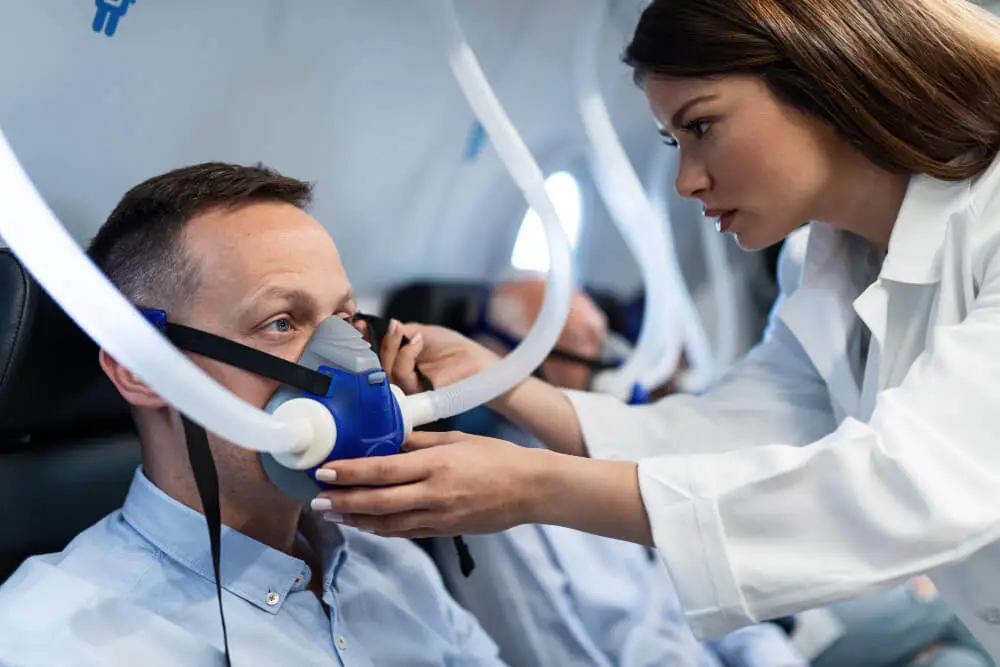
Spirometry is a quick, painless breathing test that measures how well your lungs are working. It helps evaluate symptoms such as shortness of breath, wheezing, chest tightness, or a persistent cough. This test is commonly used for patients with asthma, allergy-related breathing problems, or unexplained respiratory symptoms.
How It Works / What to Expect?
During spirometry, you will be asked to take a deep breath and blow forcefully into a mouthpiece connected to a measuring device. The test takes only a few minutes and may be repeated to ensure accurate results. It is non-invasive and safe for both children and adults.
Spirometry measures:
How much air you can breathe out?
How fast you can push the air out?
These results help determine whether your airways are open or narrowed.
Types of Testing
Baseline spirometry to assess lung function
Post-bronchodilator testing, when needed, to see how your lungs respond to medication
Ongoing spirometry may be used to monitor changes over time
Who Should Consider This Service?
Spirometry may be recommended if you:
Feel short of breath during normal activities
Have a chronic cough, especially at night or after exercise
Experience wheezing or chest tightness
Have recurring bronchitis or breathing infections
Notice breathing symptoms during allergy season or around triggers such as dust, pets, smoke, or pollen
You do not need severe symptoms to benefit from testing. Early evaluation can help prevent complications.
Why This Service Matters?
Spirometry is an essential tool for:
Diagnosing asthma in children and adults
Monitoring how well asthma treatment is working
Identifying allergy-related airway inflammation
Distinguishing asthma from other conditions with similar symptoms
Even when symptoms feel mild, spirometry can detect airway inflammation early and guide timely treatment.
If breathing symptoms are affecting your daily life or limiting your activities, spirometry can provide clear answers. A simple lung function test can help identify the cause and guide effective treatment.