

Respiratory Conditions
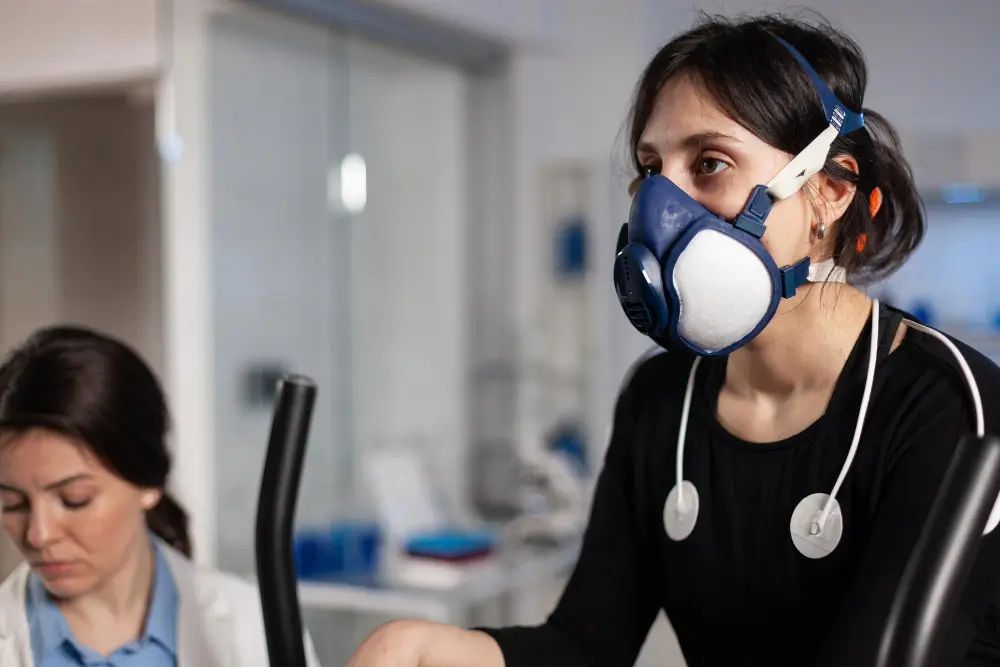
Exercise-Induced Asthma (Exercise-Induced Bronchoconstriction)
What It Is
Exercise-induced asthma occurs when the airways narrow during or after physical activity, making breathing difficult. This condition is common in both children and adults even in people who do not experience asthma symptoms at other times. Airway sensitivity increases when you breathe faster during exercise, especially in cold, dry air. While it can be frustrating, exercise-induced asthma is highly manageable. With the right care, most people can participate fully in sports, workouts, and outdoor activities without fear of symptoms interrupting their routine.
Common Symptoms
- Shortness of breath during physical activity
- Wheezing or noisy breathing
- Coughing, especially after exercise
- Chest tightness or discomfort
- Fatigue during workouts
- Difficulty keeping up with normal activity levels
Triggers and Causes
- Cold or dry air
- High-intensity exercise
- Polluted air or smoke exposure
- Seasonal pollen or allergens
- Respiratory infections
- Poorly controlled underlying asthma
- Rapid breathing during strenuous activity
When to See a Specialist
Seek professional evaluation if you consistently experience breathing problems during exercise, feel unable to complete workouts, or notice that symptoms worsen in cold or outdoor environments. If you avoid physical activity due to breathing discomfort, or if symptoms occur even with warm-ups, it’s important to get assessed. Early diagnosis ensures proper treatment and prevents long-term airway irritation.
How We Help
We evaluate your symptoms through spirometry, exercise challenge testing if needed, and a detailed review of your triggers. Treatment often includes inhalers that protect your airways before physical activity and long-term control medications if needed. We help you create an exercise plan that minimizes symptoms, including warm-up strategies, breathing techniques, and environmental adjustments. With proper care, you can stay active, confident, and symptom-free during workouts.